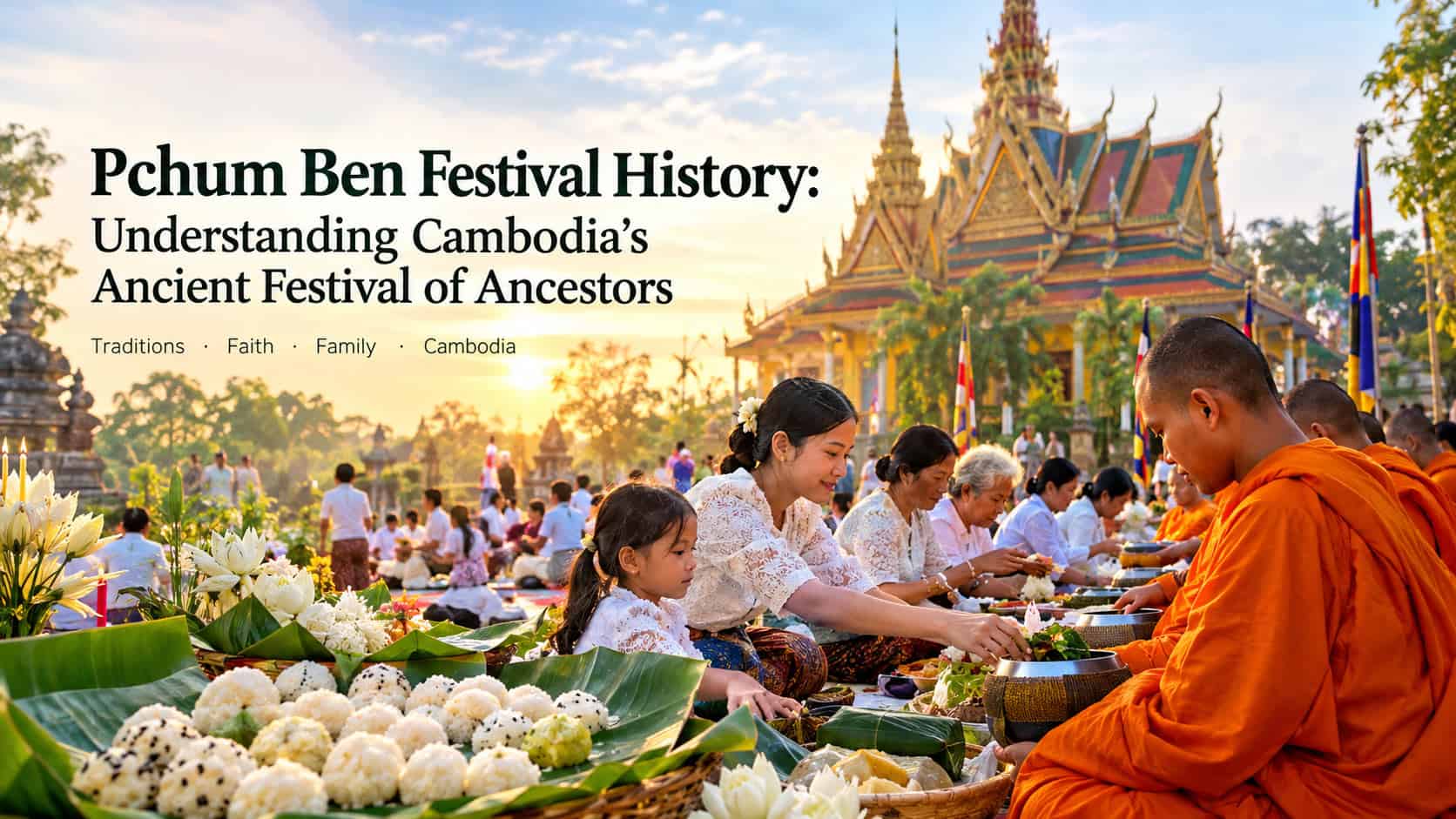
Pchum Ben, often called Cambodia’s Festival of Ancestors or Ancestors’ Day, is one of the most important religious and cultural traditions in Cambodia.
Every year, Cambodian families return to their hometowns, visit Buddhist pagodas, prepare food, make offerings to monks, pray for deceased relatives, and remember generations of ancestors.
For visitors to Cambodia, Pchum Ben can seem mysterious at first. Why do people wake before sunrise to visit a pagoda? Why are rice balls placed on temple grounds? Why do millions of Cambodians travel from cities back to their home villages?
The answers are found in Cambodia’s long history, Buddhist beliefs, family traditions, and deep respect for ancestors.
At Asia Backroad, we believe that understanding the history behind a Cambodian tradition makes traveling through the country much more meaningful. So, let’s explore the story of Pchum Ben, its origins, traditions, Buddhist meaning, and why it remains so important to Cambodian society today.
What Is Pchum Ben?
Pchum Ben is a major Cambodian Buddhist festival dedicated to remembering and honoring deceased relatives and ancestors.
The festival traditionally lasts 15 days. The first 14 days are commonly known as Kan Ben, when families take turns bringing food and offerings to pagodas. The 15th day is Pchum Ben, the most important day of the festival.
The festival takes place according to the Khmer lunar calendar, rather than on the same Gregorian calendar date every year.
During Pchum Ben, families may honor ancestors extending back as far as seven generations. They also make offerings for wandering or unfortunate spirits who, according to Buddhist tradition, may be unable to receive offerings directly from their own families.
For Cambodians, therefore, Pchum Ben is not simply a holiday.
It is a time for:
- Remembering deceased family members
- Showing gratitude to ancestors
- Making religious offerings
- Practicing generosity and compassion
- Reuniting with family
- Visiting ancestral villages
- Maintaining Khmer cultural traditions
- Teaching younger generations about their heritage
What Does the Name “Pchum Ben” Mean?
The name itself provides an important clue to the meaning of the festival.
The Khmer word “pchum” carries the meaning of gathering, meeting, or coming together. “Ben” is associated with the preparation or offering of food, particularly rice offerings, and is connected with the Sanskrit term pinda, referring to a food offering or rice ball.
Together, the idea behind Pchum Ben can be understood as people gathering together to make offerings and remember their ancestors.
This meaning can be seen everywhere during the festival.
Families gather.
Communities gather.
Monks and laypeople gather.
And, spiritually, the living are believed to reconnect with those who came before them.
The Ancient History of Pchum Ben
One of the most interesting questions about Pchum Ben is:
How old is the festival?
There is no single historical document that gives us a precise date when Pchum Ben began in exactly the form we know today.
Instead, the festival has developed through centuries of Cambodian religious and cultural traditions, particularly the interaction between Theravada Buddhism, older Khmer beliefs, and earlier Hindu-influenced traditions.
Cambodia’s religious culture has never been completely isolated from its earlier history. Long before Theravada Buddhism became dominant, Cambodia was strongly influenced by Hinduism and different forms of Buddhism.
Over centuries, beliefs concerning death, karma, ancestors, spirits, merit, and offerings became woven into Khmer religious life.
This helps explain why Pchum Ben contains both distinctly Buddhist practices and older cultural ideas concerning ancestors and spirits.
Was Pchum Ben Originally a Three-Month Festival?
One of the most fascinating historical facts about Pchum Ben is that the traditional observance was once much longer than today’s 15-day festival.
Historical and cultural accounts describe an earlier period when related ceremonies extended over approximately three months.
According to Cambodian cultural sources, during the reign of King Ang Duong in the mid-19th century, the observance was reduced to 15 days, partly because of practical limitations and resources.
This historical change helps explain why Pchum Ben today has a very concentrated 15-day structure.
The modern festival may be shorter, but its central purpose remains:
to remember the dead, make merit, give offerings, and strengthen family and community bonds.
The Buddhist Meaning Behind Pchum Ben
To understand Pchum Ben, it is important to understand the Buddhist concept of karma.
In Buddhist teachings, actions have consequences. Good actions can generate merit, while harmful actions can lead to negative consequences.
Cambodian Buddhists therefore believe that acts of generosity, compassion, prayer, and religious devotion can generate merit.
During Pchum Ben, families make offerings to monks and perform religious acts with the intention of generating merit.
They also pray for deceased relatives.
The spiritual idea is especially important when considering ancestors who may have died under difficult circumstances or whose current spiritual condition is unknown.
Cambodian cultural sources explain that families cannot know exactly where their deceased relatives have been reborn. Pchum Ben therefore provides an opportunity to make offerings and dedicate merit to them.
The Legend of the Hungry Spirits
One of the best-known traditional explanations for Pchum Ben involves hungry spirits, sometimes associated with the Buddhist concept of preta.
According to Buddhist belief, some beings may be reborn into unfortunate spiritual conditions because of their past karma.
These spirits are traditionally described as suffering from extreme hunger and other forms of deprivation.
During Pchum Ben, people believe that certain spirits are able to return and search for food or offerings from their living relatives.
This is why food offerings are so important.
However, it is important to understand that this is part of religious belief and traditional interpretation, rather than something that historians can scientifically verify.
Cambodian culture has preserved these stories for generations because they communicate deeper moral ideas about family responsibility, karma, generosity, and remembrance.
The Story Behind Bay Ben
One of the most recognizable Pchum Ben traditions is Bay Ben.
“Bay” means rice, while “Ben” is associated with the offering itself.
Families prepare small balls of cooked rice, sometimes mixed with other ingredients, and offer them at the pagoda.
During early morning ceremonies, people may place or throw these rice offerings onto designated areas around the temple.
According to traditional belief, wandering or hungry spirits may come to receive them.
The rice balls also carry a symbolic meaning.
Their rounded shape represents completeness and the act of bringing something together.
For a visitor, the sight of people gathering before sunrise and preparing rice offerings may look unusual.
But within Khmer culture, the act represents something deeply human:
remembering those who are no longer here and making sure they are not forgotten.
Why Do Cambodians Visit So Many Pagodas?
Another interesting part of Pchum Ben is the tradition of visiting pagodas.
During the 15-day period, families may visit different Buddhist temples to make offerings and pray.
Traditional beliefs in some Cambodian communities say that wandering spirits search among several pagodas for offerings from their relatives.
This has helped create the custom of visiting different pagodas during the festival.
For families, however, visiting the pagoda is about more than spiritual belief.
It is also a social gathering.
People meet relatives.
Children see grandparents.
Families share meals.
Neighbors meet one another.
And Cambodians who live in Phnom Penh or other cities often travel back to their home provinces.
In this way, Pchum Ben connects the living community with both its ancestors and its homeland.
Pchum Ben and Cambodian Family Life
Perhaps the most important part of Pchum Ben is family.
Cambodian society places enormous importance on family relationships and respect for older generations.
During the festival, many people who normally live and work far from their hometowns make the journey home.
Phnom Penh becomes noticeably quieter in many areas as people travel toward their provinces and villages.
This annual movement is more than holiday travel.
It is a homecoming.
A son returns to his parents.
A daughter visits her grandparents.
Families prepare food together.
Children learn traditions from older generations.
And everyone remembers relatives who have passed away.
For this reason, Pchum Ben continues to be important even among people who may not consider themselves deeply religious.
What Happens at a Cambodian Pagoda During Pchum Ben?
A visit to a pagoda during Pchum Ben can be a powerful cultural experience.
A typical morning may begin very early.
Families arrive carrying food, rice, flowers, drinks, and other offerings.
Monks perform prayers and chants.
People make offerings and sit quietly while religious ceremonies take place.
One of the most distinctive traditions occurs in the early morning, when rice offerings may be placed on temple grounds for spirits according to traditional belief.
Later, food is offered to monks.
The atmosphere can be both spiritual and joyful.
There may be:
- Buddhist chanting
- Incense
- Flowers
- Traditional Khmer food
- Families dressed in their best clothes
- Children playing around the pagoda
- People greeting relatives and neighbors
- Monks receiving food offerings
The temple becomes a meeting place for an entire community.
Why Food Is So Important During Pchum Ben
Food is central to Pchum Ben.
Families prepare meals not only for themselves but also for monks and as offerings connected with their deceased relatives.
Traditional Cambodian foods and cakes are commonly prepared during the festival.
Among them are traditional rice cakes such as ansom, which can be prepared in different forms and with different fillings.
Food has a deeper meaning here than simply nourishment.
Giving food represents generosity.
Generosity creates merit.
And merit is dedicated to those who have passed away.
Thus, an ordinary meal becomes part of a much larger spiritual tradition.
Pchum Ben and Cambodia’s Buddhist Monks
Monks play an essential role in the festival.
During Pchum Ben, families bring food and other offerings to Buddhist monks at their local pagodas.
The offerings support the religious community while allowing families to perform acts of generosity.
For monks, the period is also associated with prayer, meditation, religious study, and reflection.
The festival takes place around the end of the Buddhist rainy-season retreat, traditionally known as Vassa or Buddhist Lent. Pchum Ben therefore sits within an important period of the Buddhist religious calendar.
Pchum Ben Through Cambodia’s Difficult History
Pchum Ben has survived some of the most difficult periods in Cambodian history.
Cambodia experienced war, political upheaval, genocide, and enormous social disruption during the 20th century.
Under the Khmer Rouge regime, religious practices were severely restricted and Buddhist institutions were devastated.
Yet traditions surrounding remembrance of the dead remained deeply embedded within Cambodian society.
After the fall of the Khmer Rouge, Buddhist life gradually returned, and Pchum Ben once again became an important national tradition.
Today, the festival also provides a way for families to remember relatives who died during Cambodia’s conflicts, including those who lost their lives under the Khmer Rouge.
In some communities, families visit pagodas where victims were killed or buried and perform ceremonies in their memory.
This gives Pchum Ben another layer of meaning in modern Cambodia.
It is not only about ancient ancestors.
For many families, it is also about remembering relatives who died within living memory.
Pchum Ben Today
Modern Cambodia has changed dramatically.
Millions of people now live in cities.
Young Cambodians work in Phnom Penh, Siem Reap, Sihanoukville, and other urban areas.
Many people also live and work overseas.
Yet when Pchum Ben arrives, large numbers of Cambodians still make the journey home.
The festival has therefore become a powerful reminder of cultural identity.
Even in a rapidly changing Cambodia, people continue to:
Go home.
Visit the pagoda.
Offer food.
Remember their ancestors.
Spend time with family.
This is one reason Pchum Ben remains one of Cambodia’s most meaningful cultural traditions.
When Is Pchum Ben Celebrated?
Pchum Ben follows the Khmer lunar calendar, so its dates change each year on the Gregorian calendar.
The observance lasts 15 days, with the first 14 days known as Kan Ben and the final day being Pchum Ben itself.
The festival generally falls around September or October.
Travelers planning a Cambodia trip should check the exact dates for the year they intend to visit.
Is Pchum Ben a Good Time to Visit Cambodia?
Yes—but travelers should understand that this is primarily a religious and family occasion, rather than a tourist festival.
If you happen to be in Cambodia during Pchum Ben, you may see a side of Cambodian life that ordinary sightseeing does not reveal.
You can observe families preparing offerings, visit culturally important areas, and experience the atmosphere around local communities.
However, visitors should always behave respectfully.
Pchum Ben is not a performance created for tourists.
It is a genuine religious tradition.
How Should Travelers Behave During Pchum Ben?
If you visit a pagoda during Pchum Ben, remember that you are entering a sacred religious space.
Dress respectfully
Wear clothing that covers your shoulders and knees where possible.
Ask before taking photographs
People may be praying, grieving, or participating in ceremonies. Always be sensitive when photographing individuals.
Avoid interrupting ceremonies
Stand quietly and observe from an appropriate distance.
Remove your shoes when required
Follow local instructions when entering temple buildings.
Do not make jokes about religious beliefs
Some traditions may seem unfamiliar to international visitors, but they are deeply meaningful to Cambodian families.
Follow local guidance
If you are unsure what to do, politely ask a local person or your guide.
Respect is the most important rule.
Pchum Ben: More Than a Festival
So, what is the true meaning of Pchum Ben?
It is difficult to reduce it to one sentence.
It is a Buddhist tradition.
It is an ancestor festival.
It is a family reunion.
It is a cultural tradition.
It is an expression of generosity.
It is a way of remembering the dead.
And for many Cambodians, it is a journey home.
Perhaps the most beautiful way to understand Pchum Ben is this:
The festival reminds Cambodians that although people may die, their place within the family is never forgotten.
Every offering, every prayer, every visit to the pagoda, and every family reunion keeps a connection between generations alive.
Experience the Living History of Cambodia with Asia Backroad
For travelers, Cambodia’s history is not found only in museums and ancient temples.
It lives in villages, pagodas, family traditions, local markets, countryside roads, and the daily lives of Cambodian people.
This is one of the reasons we believe slow and responsible travel can offer a deeper understanding of Cambodia.
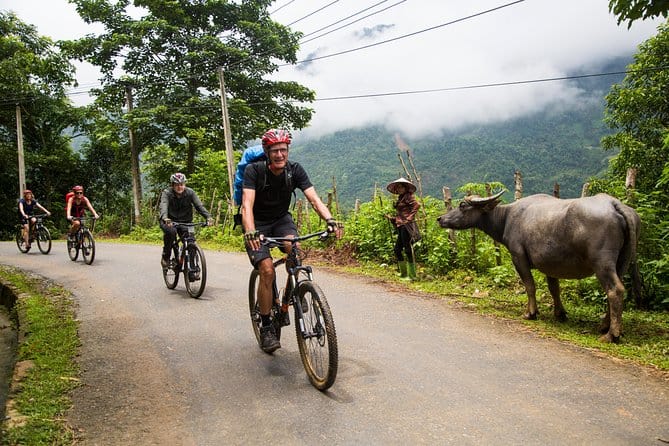
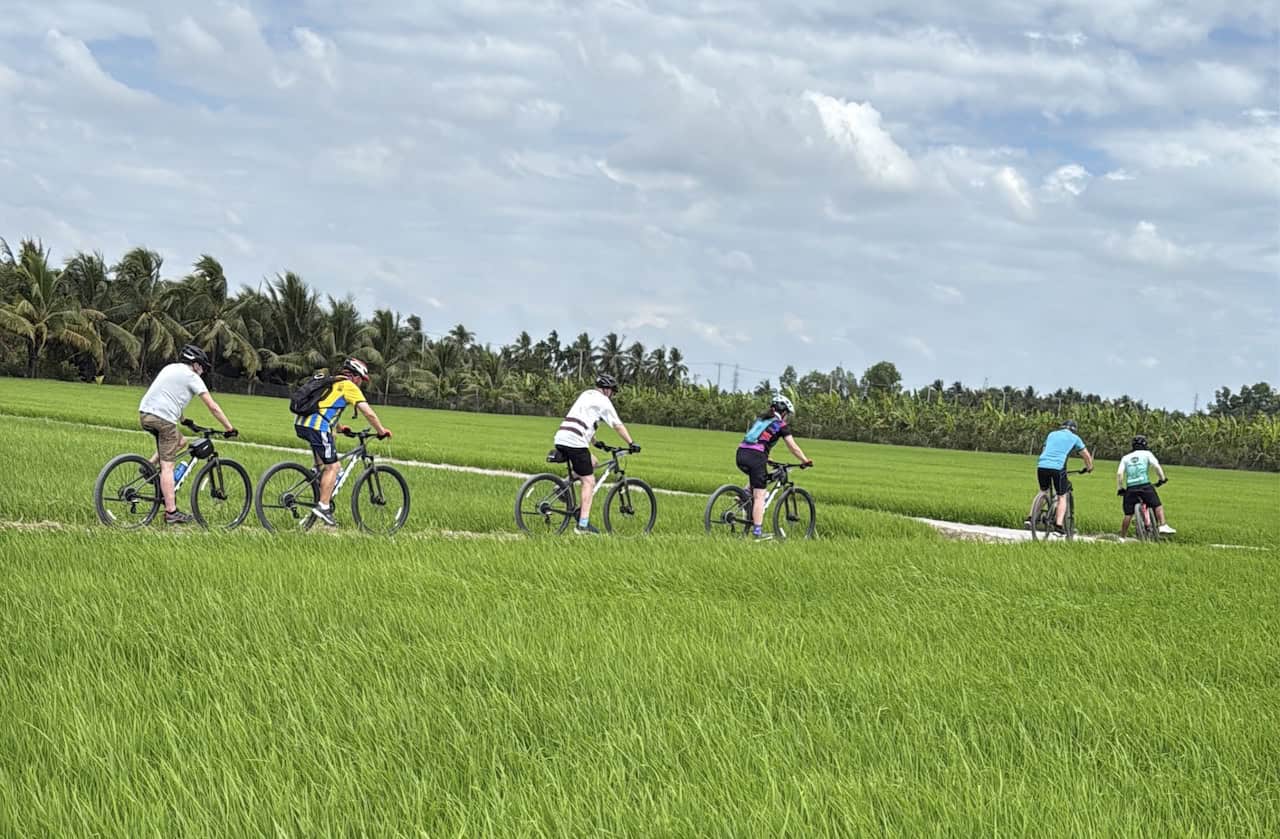
Cycling through the countryside allows travelers to move beyond the major tourist sites and experience the landscapes and communities that form the heart of the country.
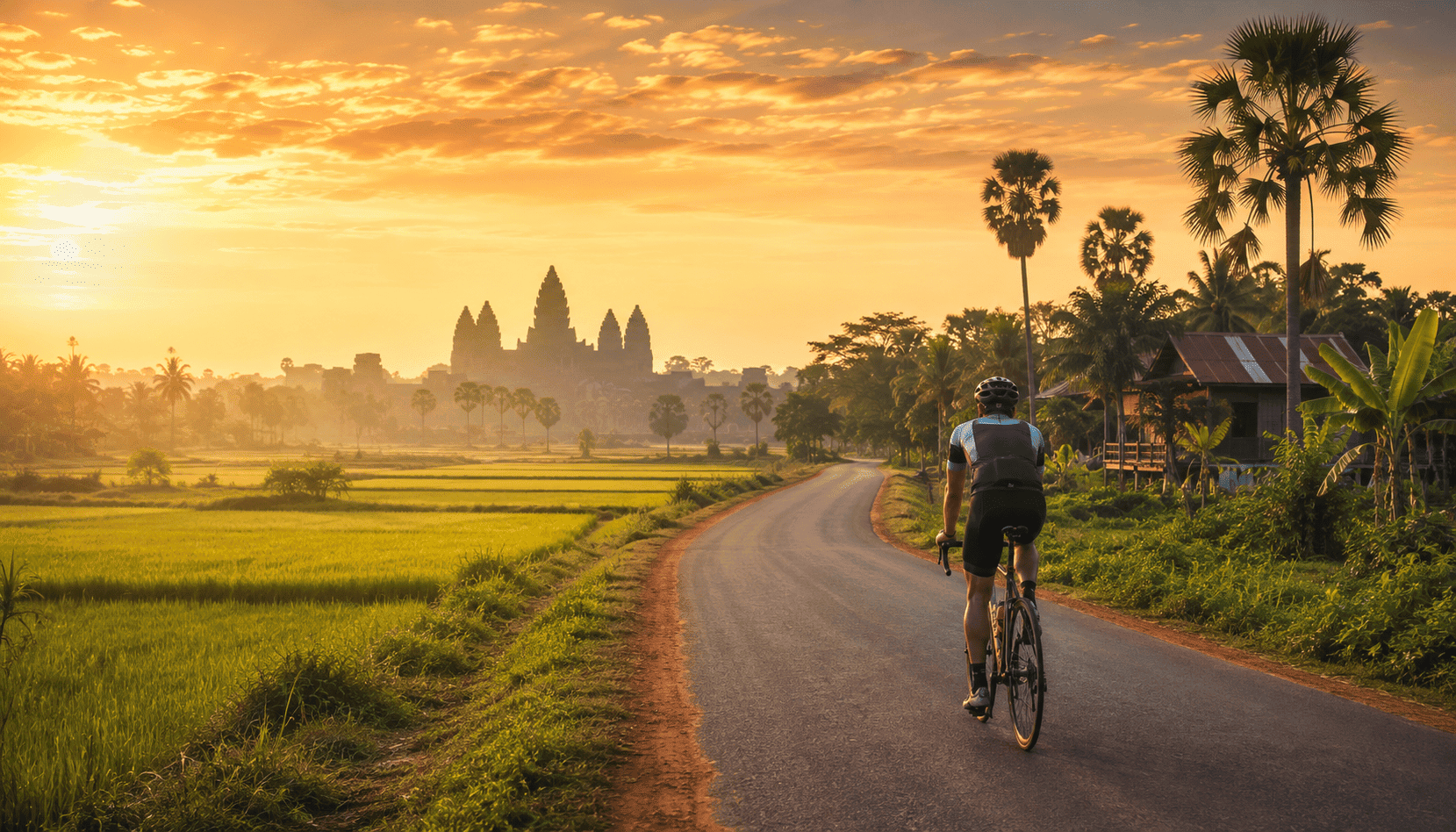
From the temples of Angkor to rice fields, rural villages, Buddhist pagodas, and small countryside roads, Cambodia offers countless opportunities to discover its living culture.
If you are planning a cycling adventure in Cambodia, explore the Cambodia cycling experiences offered by Asia Backroad and discover the country beyond the usual tourist route.
Frequently Asked Questions About Pchum Ben
What is Pchum Ben?
Pchum Ben is one of Cambodia’s most important Buddhist and cultural festivals. It is dedicated to remembering deceased relatives and ancestors and is traditionally observed over 15 days.
What does Pchum Ben mean?
“Pchum” means to gather or come together, while “Ben” is associated with food offerings and rice offerings. Together, the name reflects the gathering of people and offerings during the festival.
How long does Pchum Ben last?
The traditional modern observance lasts 15 days. The first 14 days are called Kan Ben, followed by the final Pchum Ben day.
Why do Cambodians give food to monks?
Food offerings are an important act of generosity and merit-making in Cambodian Buddhism. Families also dedicate their religious merit to deceased relatives.
Why do people throw rice on the ground?
Rice balls, known as Bay Ben, are offered during early morning rituals. According to traditional belief, these offerings can be received by wandering or hungry spirits.
How old is Pchum Ben?
The precise origin of the festival in its present form is difficult to date. Its traditions developed through Cambodia’s long Buddhist, Hindu, and indigenous cultural history. Historical cultural accounts state that earlier ceremonies lasted much longer, with the observance later reduced to 15 days during the reign of King Ang Duong in the 19th century.
Is Pchum Ben religious or cultural?
It is both. Pchum Ben is deeply rooted in Cambodian Buddhism, but it is also a major cultural and family tradition observed throughout Cambodian society.
Can tourists visit pagodas during Pchum Ben?
Yes, visitors can respectfully observe religious and cultural activities, but they should remember that Pchum Ben is a sacred occasion rather than a tourist show.
Final Thoughts
Pchum Ben is one of the best examples of how Cambodia’s past continues to shape its present.
The festival carries memories across generations—from ancient religious traditions to modern Cambodian families remembering relatives who lived through war and hardship.
When you see a Cambodian family carrying food into a pagoda before sunrise, you are witnessing more than a religious ceremony.
You are witnessing history being carried from one generation to the next.
And that is what makes Pchum Ben such an important part of understanding Cambodia.
Cambodia is not simply a destination to visit. It is a culture to understand, a history to experience, and a story to share.