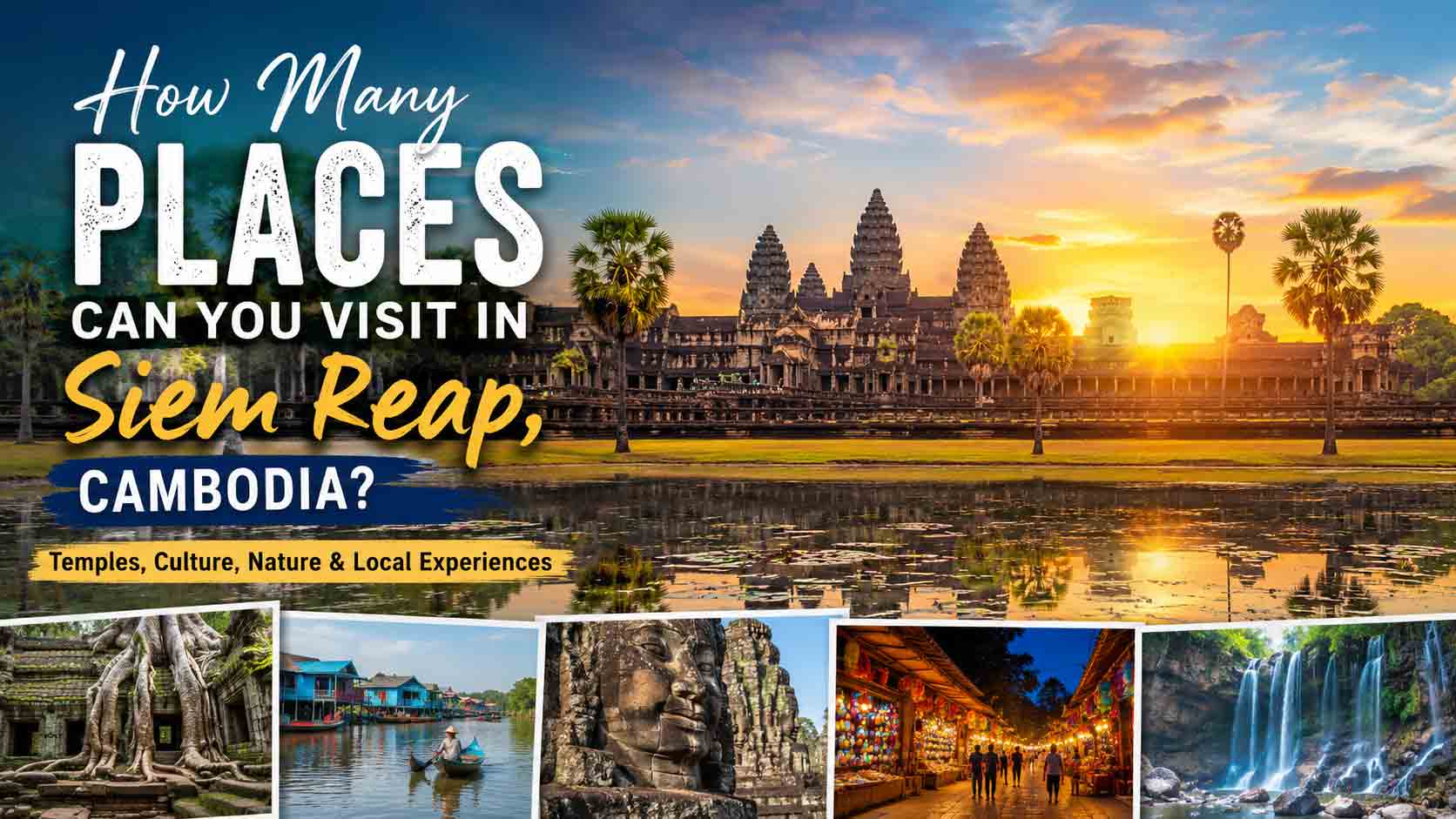
When most people hear Siem Reap, Cambodia, the first thing that comes to mind is Angkor Wat.
And for good reason.
Angkor Wat is one of the world’s most incredible ancient monuments and the main reason millions of travelers dream of visiting Siem Reap. But there is much more to discover beyond the famous temple.
From mysterious ancient ruins and peaceful countryside villages to floating communities, local markets, beautiful sunsets, cultural experiences, and exciting nightlife, Siem Reap offers something for every kind of traveler.
So, how many places can you actually visit in Siem Reap?
The answer depends on how much time you have.
With just one day, you can explore the highlights. With three days, you can experience the famous temples and some local attractions. With five to seven days, you can discover a much deeper side of Siem Reap and explore places that many tourists never see.
Here is our guide to some of the best places to visit in and around Siem Reap, Cambodia.
1. Angkor Wat – The Symbol of Cambodia

Let’s start with the most famous place in Siem Reap: Angkor Wat.
Built in the early 12th century, Angkor Wat is the largest religious monument in the world and one of the greatest architectural achievements of the Khmer Empire.
The temple is famous for its enormous stone towers, detailed bas-reliefs, long galleries, and magnificent reflection pools.
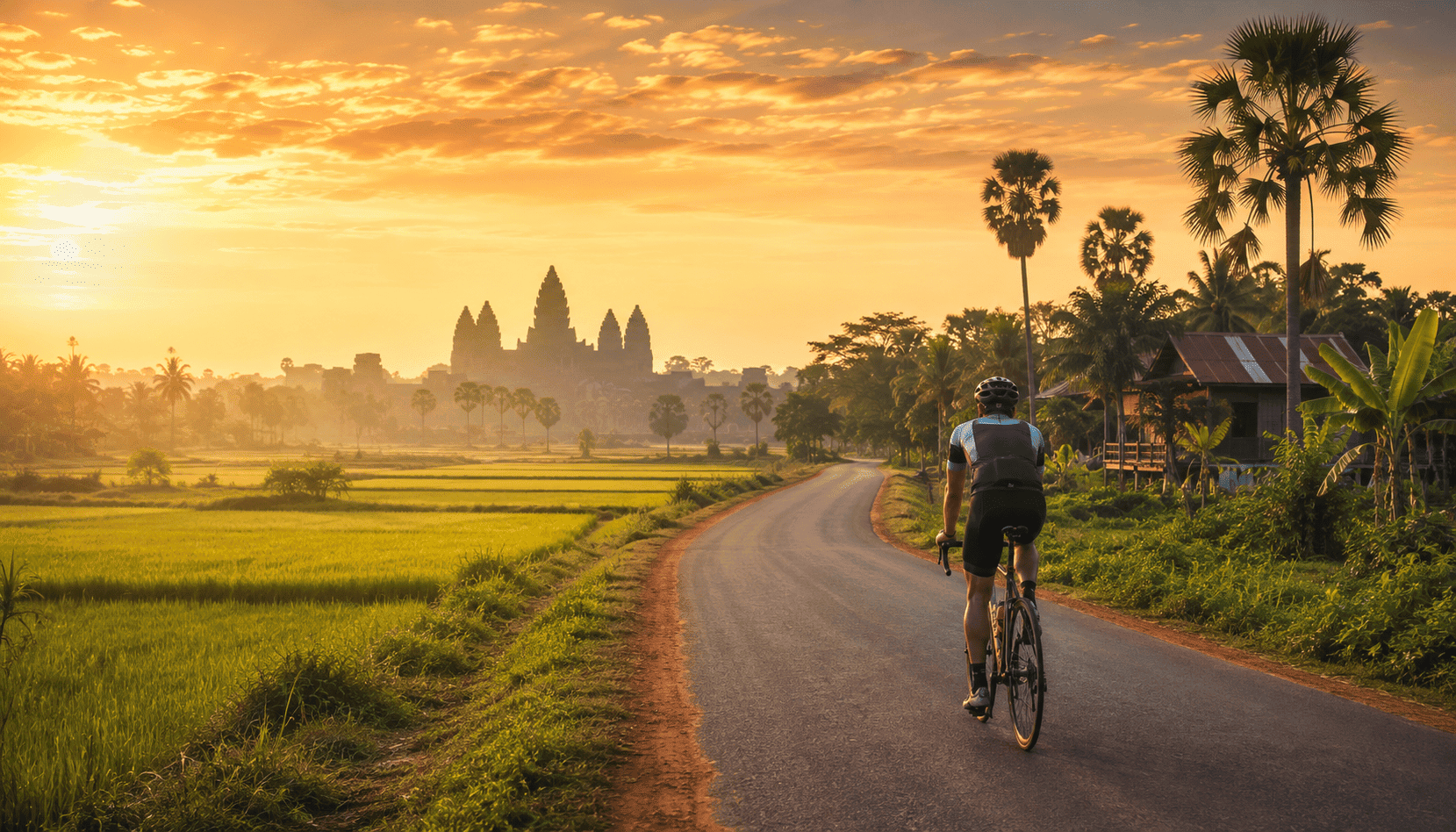
For many visitors, the best time to visit is early in the morning. Arriving before sunrise allows you to experience the temple in a peaceful atmosphere as the sky slowly changes color behind the famous towers.
But Angkor Wat is not only about sunrise.
Take your time to walk through the galleries and look closely at the detailed carvings. The walls tell stories from Hindu mythology and ancient Khmer history.
Travel tip: If you want to enjoy Angkor Wat without rushing, allow at least 2–3 hours for the temple itself.
2. Angkor Thom – Enter the Ancient Royal City

After visiting Angkor Wat, continue to Angkor Thom, an enormous ancient city that was once the capital of the Khmer Empire.
The city is surrounded by massive walls and a wide moat. You can enter through one of the impressive gates, which are decorated with giant stone figures representing a famous Hindu story known as the Churning of the Ocean of Milk.
The most famous entrance is the South Gate, which is one of the most photographed spots in the Angkor Archaeological Park.
Inside Angkor Thom, you will find several important temples and historical sites.
This is where the journey begins to feel much bigger than simply visiting one temple.
3. Bayon Temple – The Temple of Smiling Faces

Located in the center of Angkor Thom, Bayon Temple is one of the most unique temples in Cambodia.
The temple is famous for its enormous stone faces carved into its towers.
As you walk around the temple, you may feel that the mysterious faces are watching you from every direction.
Bayon is also known for its detailed bas-reliefs, which show scenes of everyday life, battles, markets, celebrations, and historical events from the Khmer Empire.
Take your time here.
Unlike Angkor Wat, which is famous for its grand scale, Bayon feels mysterious, intimate, and almost magical.
4. Ta Prohm – The Jungle Temple

If you have ever seen photos of ancient temples covered by enormous tree roots, you have probably seen Ta Prohm.
This temple became internationally famous after appearing in the movie Tomb Raider.
But Ta Prohm is much more than a movie location.
The temple was built in the late 12th and early 13th centuries and was intentionally left with many of its trees and jungle surroundings.
Walking through the ruins feels like stepping into an adventure movie.
Massive roots grow over ancient stone walls, creating one of the most unforgettable landscapes in the Angkor region.
Best time to visit: Early morning or late afternoon, when the light is softer and the temple is generally more atmospheric.
5. Preah Khan – A Hidden World of Ancient Ruins

Many visitors focus on Angkor Wat, Bayon, and Ta Prohm, but Preah Khan deserves more attention.
This enormous temple complex was built by King Jayavarman VII and was once an important center of religious and cultural life.
Compared with the most famous temples, Preah Khan often feels quieter and more peaceful.
You can walk through long corridors, stone galleries, courtyards, and partially restored structures while imagining what life might have been like during the height of the Khmer Empire.
If you enjoy history and photography, Preah Khan is a place you should not miss.
6. Banteay Srei – The Pink Temple
Located farther from the main Angkor complex, Banteay Srei is often called the “Pink Temple” because of the beautiful reddish-pink sandstone used in its construction.
The temple is smaller than Angkor Wat, but its carvings are exceptionally detailed.
Look closely at the walls and doorways, and you will see incredibly delicate decorations featuring Hindu mythology, gods, animals, and floral patterns.
The journey to Banteay Srei also gives you the opportunity to see more of the Cambodian countryside.
Rice fields, small villages, local homes, and rural roads create a completely different atmosphere from central Siem Reap.
7. Kbal Spean – The River of a Thousand Lingas
For travelers who enjoy adventure and nature, Kbal Spean offers a different experience.
Located in a forested area of the Phnom Kulen region, Kbal Spean is famous for ancient carvings found along the riverbed.
To reach the site, visitors need to walk along a forest trail.
The journey itself is part of the experience.
After walking through the forest, you reach the river where you can discover ancient carvings and religious symbols carved into the rocks.
It is a wonderful combination of history, nature, and light adventure.
8. Phnom Kulen National Park – Where Cambodia’s History Begins
If you have extra time in Siem Reap, consider visiting Phnom Kulen National Park.
The mountain is historically important because it is associated with the beginning of the Angkorian Empire.
Today, visitors come to enjoy the natural environment, waterfalls, forests, and cultural sites.
One of the most popular attractions is the waterfall, where travelers can relax and cool down after exploring temples.
Phnom Kulen is a great choice if you want to take a break from ancient ruins and spend a day surrounded by nature.
9. Tonlé Sap Lake – Discover Cambodia’s Floating Communities
One of the most interesting experiences near Siem Reap is a visit to Tonlé Sap Lake.
Tonlé Sap is the largest freshwater lake in Southeast Asia and plays an important role in Cambodian life.
Several communities live on or around the lake, and depending on the season, the landscape can change dramatically.
A boat trip allows visitors to see houses, schools, restaurants, and other aspects of daily life connected to the water.
For many travelers, this is one of the best ways to understand that Cambodia is more than its ancient temples.
Travel tip: Research the specific floating village and tour operator before booking. The experience can vary depending on the season and local conditions.
10. Chong Khneas Floating Village
Chong Khneas is one of the closest floating communities to Siem Reap.
Visitors can take a boat trip to explore the waterways and see how local communities live around the lake.
The scenery changes depending on the water level and season, so the experience can be very different at different times of the year.
If you visit, remember that this is a real community where people live and work. Travel respectfully, ask before photographing people closely, and choose responsible tourism operators.
11. Kampong Phluk – The Stilted Village
Another popular destination near Siem Reap is Kampong Phluk.
Unlike some floating communities, many homes here are built on extremely tall stilts.
During the dry season, the tall structures are especially visible. During the wet season, the water rises and the surrounding landscape transforms.
A boat trip through the flooded forest can be a memorable experience.
The best part of visiting Kampong Phluk is not simply taking photos. It is observing how local communities have adapted their lives to the changing water levels of Tonlé Sap.
12. Siem Reap Old Market
After spending a day exploring temples, head back into town and visit the Old Market, also known as Psar Chas.
This is one of the liveliest areas in central Siem Reap.
You can find souvenirs, clothing, handicrafts, spices, snacks, fresh produce, and many other local products.
The market is especially interesting for travelers who want to experience everyday Cambodian life.
Take your time to walk through the small streets and explore the shops.
Don’t forget to try some local food.
13. Pub Street – Experience Siem Reap at Night
When the sun goes down, Siem Reap changes completely.
The area around Pub Street becomes one of the busiest nightlife destinations in town.
Restaurants, cafés, bars, street food stalls, and entertainment venues attract travelers from around the world.
Even if you are not interested in nightlife, it is worth walking through the area in the evening to experience the energy of the city.
For food lovers, the surrounding streets also offer many opportunities to try Cambodian dishes and international cuisine.
14. Angkor Night Market
If you are looking for souvenirs, the Angkor Night Market is another popular place to visit in the evening.
You can browse local handicrafts, artwork, clothing, souvenirs, and other products.
It is a good place to look for gifts to take home.
As with many markets in Southeast Asia, prices may be negotiable, but always be polite and respectful when bargaining.
15. Made in Cambodia Market
Travelers interested in supporting local artisans should consider visiting the Made in Cambodia Market.
The market focuses on locally made products and Cambodian craftsmanship.
You may find handmade items, artwork, fashion products, food, and other creative goods.
It is a good option for travelers who want to purchase souvenirs while supporting local creators and businesses.
16. Artisans Angkor
For those interested in traditional Cambodian arts and crafts, Artisans Angkor is worth exploring.
Visitors can learn more about traditional Cambodian craftsmanship, including silk production, stone carving, and wood carving.
It is an excellent way to understand how traditional skills are being preserved and passed on to new generations.
If you want to bring home a meaningful Cambodian souvenir, locally crafted products can be a better choice than mass-produced tourist items.
17. The Cambodian Cultural Village
For families and travelers interested in Cambodian culture, the Cambodian Cultural Village has historically offered exhibitions and performances related to Cambodian traditions and history.
However, attractions and operating status can change, so it is important to check the latest information before planning a visit.
18. Siem Reap Countryside
One of the best ways to experience a different side of Cambodia is to leave the center of Siem Reap and explore the countryside.
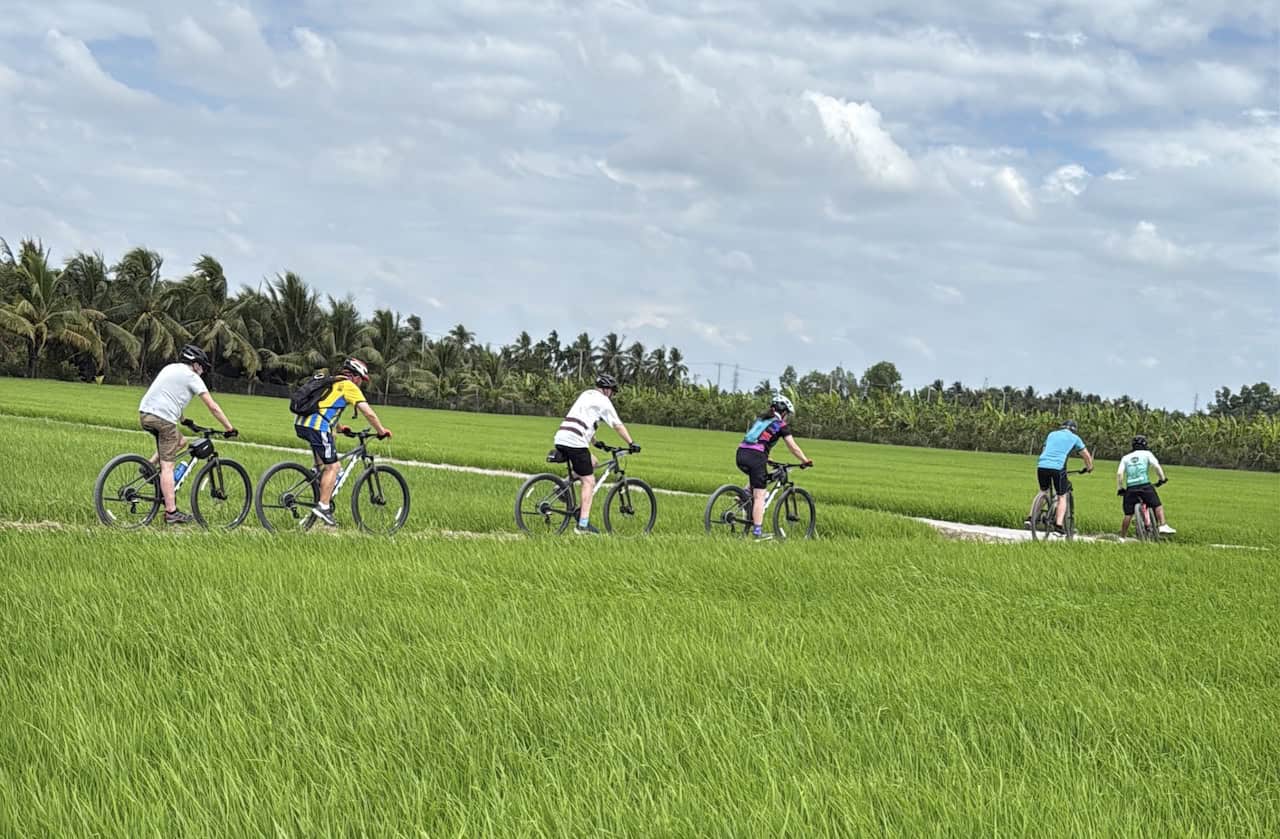
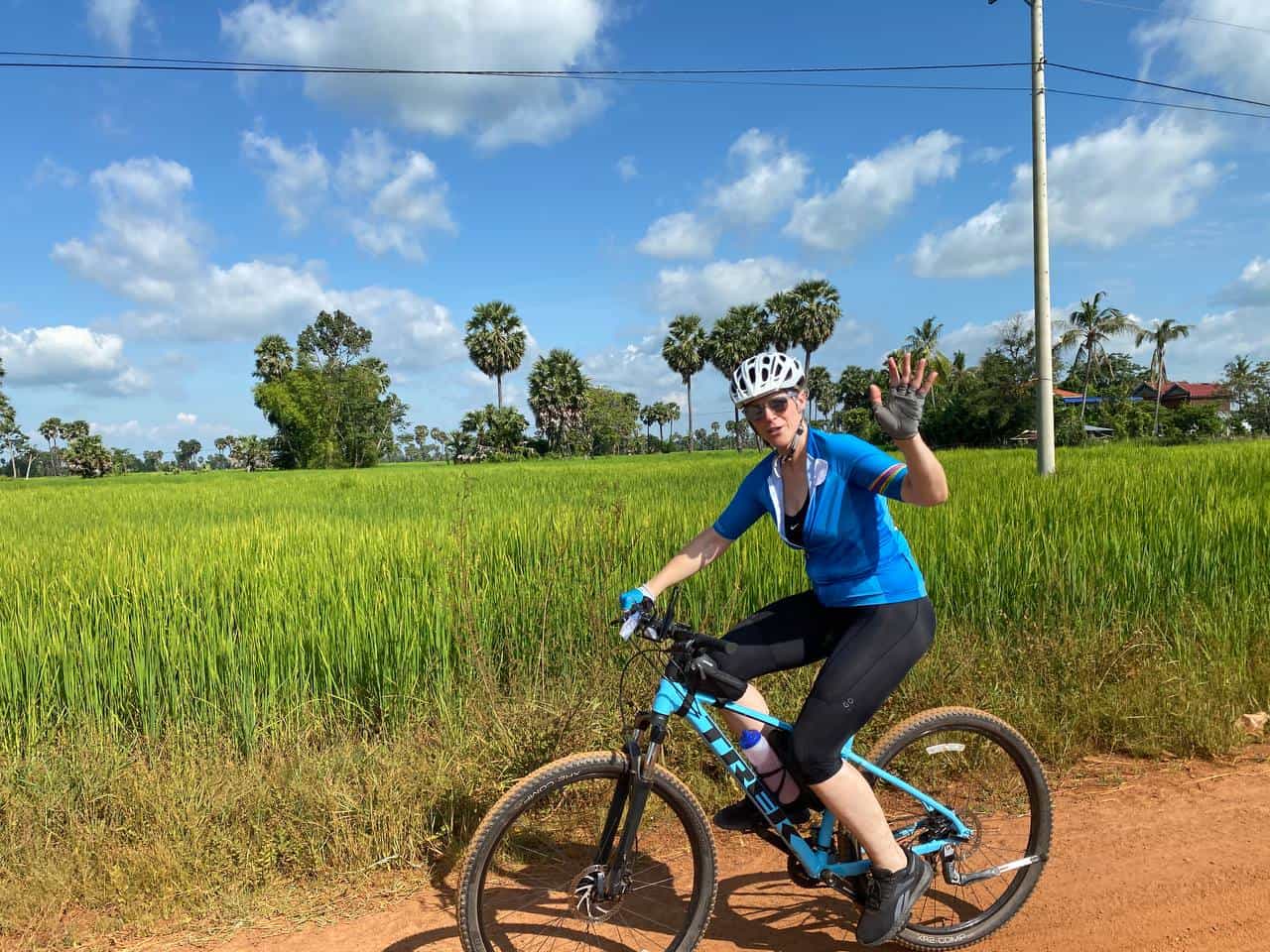
You can travel by bicycle, tuk-tuk, or guided tour through small villages and rice fields.
Along the way, you may see farmers working in the fields, children playing near their homes, traditional wooden houses, and local markets.
The countryside is especially beautiful during the green season when the rice fields are vibrant and full of life.
For many visitors, these simple moments become some of their favorite memories from Cambodia.
19. Cambodian Cooking Class
Food is an important part of traveling, and Siem Reap is a great place to learn about Cambodian cuisine.
A cooking class can introduce you to local ingredients and traditional recipes.
Depending on the experience, you may visit a local market, learn about Cambodian herbs and spices, and prepare traditional dishes yourself.
Popular Cambodian dishes to look for include:
- Fish Amok
- Beef Lok Lak
- Khmer curry
- Fresh spring rolls
- Nom Banh Chok
- Cambodian desserts
The best part?
After learning how to prepare the food, you get to enjoy your own meal.
20. Apsara Dance Performance
Cambodian classical dance, often associated with Apsara dance, is an important part of the country’s cultural heritage.
The elegant movements, traditional costumes, and storytelling create a beautiful evening experience.
Watching a traditional dance performance can be a wonderful way to end a day of temple exploration.
If you attend a performance, consider choosing a reputable venue that treats performers fairly and respects Cambodian cultural traditions.
How Many Days Do You Need in Siem Reap?
The number of places you can visit depends on your travel style.
1 Day in Siem Reap
If you only have one day, focus on the highlights:
- Angkor Wat
- Angkor Thom
- Bayon Temple
- Ta Prohm
- Pub Street in the evening
This will be a busy day, but you will see some of the most famous attractions.
2 Days in Siem Reap
With two days, you can explore:
Day 1
- Angkor Wat
- Angkor Thom
- Bayon
- Ta Prohm
Day 2
- Preah Khan
- Banteay Srei
- Siem Reap Old Market
- Pub Street
3 Days in Siem Reap
Three days is a good amount of time for first-time visitors.
You could spend:
Day 1: Angkor Wat and the main temples
Day 2: Banteay Srei and the countryside
Day 3: Tonlé Sap Lake, local markets, and Siem Reap town
4–5 Days in Siem Reap
With four or five days, you can slow down and explore beyond the typical tourist route.
Consider adding:
- Preah Khan
- Kbal Spean
- Phnom Kulen
- Tonlé Sap
- A cooking class
- A Cambodian cultural performance
- Countryside cycling
- Local markets
- More time in Siem Reap town
7 Days in Siem Reap
With a full week, you can explore Siem Reap at a much more relaxed pace.
You can combine ancient temples, nature, culture, food, villages, markets, and local experiences without rushing from one place to another.
You may even choose to spend an entire day simply enjoying the city.
Sometimes, the best travel memories come when you stop following a schedule.
Suggested 5-Day Siem Reap Itinerary
If you are planning a longer trip, here is a simple itinerary.
Day 1 – Angkor Wat Sunrise and Angkor Thom
Start early with sunrise at Angkor Wat.
Continue to Angkor Thom and Bayon Temple.
Visit other nearby temples before returning to Siem Reap for dinner.
Day 2 – Ta Prohm and the Grand Circuit
Explore Ta Prohm, Preah Khan, and other temples in the surrounding area.
Spend the evening exploring the markets and restaurants in Siem Reap.
Day 3 – Banteay Srei and Countryside
Travel to Banteay Srei.
Enjoy the beautiful temple carvings and explore the countryside along the way.
Day 4 – Tonlé Sap Lake
Spend the day exploring Tonlé Sap and one of the nearby communities.
Return to Siem Reap in the afternoon and enjoy a relaxing evening.
Day 5 – Culture and Local Life
Take a Cambodian cooking class.
Visit local markets and artisan workshops.
In the evening, watch a traditional Cambodian cultural performance.
The Best Time to Visit Siem Reap
Siem Reap can be visited throughout the year, but Cambodia has distinct wet and dry seasons.
The dry season is generally popular with travelers because there is less rain and the roads are often easier to travel.
The wet season brings more rain, but it also creates beautiful green landscapes and can make the countryside and waterways particularly scenic.
If you want fewer crowds, consider traveling during the shoulder seasons and visiting major temples early in the morning.
The most important thing is to be prepared for the weather.
Cambodia can be hot, especially when walking around large temple complexes.
Wear comfortable clothing, bring water, use sun protection, and take breaks when necessary.
What Is the Best Way to Explore Siem Reap?
There are several ways to explore Siem Reap.
Tuk-Tuk
For short distances and temple trips, a tuk-tuk is one of the most enjoyable ways to travel.
You can feel the breeze while moving between temples and attractions.
Private Car
A private car is more comfortable for longer day trips, especially if you are visiting places farther from Siem Reap.
Bicycle
Cycling can be a wonderful option for exploring the countryside and nearby areas.
However, remember that Cambodia can be hot, so plan your route carefully.
Guided Tour
A knowledgeable local guide can make your temple experience much more meaningful.
Instead of simply looking at old stones, you can learn about the history, religion, architecture, and stories behind each site.
So, How Many Places Can You Visit in Siem Reap?
The short answer is: a lot more than you might expect.
If you only visit Angkor Wat, you will see one of the world’s greatest monuments.
But if you stay longer, you can discover ancient cities, mysterious temples, jungle ruins, peaceful villages, floating communities, local markets, traditional crafts, Cambodian food, cultural performances, and beautiful countryside.
For a first visit, we recommend staying at least 3 days.
If you have 5 days or more, you can experience a much richer and more relaxed journey.
And if you have a full week, you may discover that Siem Reap is not simply a place to visit Angkor Wat.
It is a destination where history, culture, nature, food, and everyday Cambodian life come together.
So the next time someone asks you, “How many places can you visit in Siem Reap?”
The answer is simple:
More than you can imagine.
Plan Your Siem Reap Adventure
Ready to discover Siem Reap?
From the magnificent temples of Angkor to the peaceful Cambodian countryside, there is always something new to explore.
Whether you are planning a short weekend escape or a one-week adventure, take your time, travel responsibly, and look beyond the famous attractions.